Hotel in Kathmandu – USD 40 / Night
Stay an extra night in our comfortable 3-star hotel in Kathmandu, including breakfast.


Start-End Location
Difficulty
Grade: Easy
Suitable for beginners. Gentle walks and low altitudes.
Grade: Moderate
Requires basic fitness. Rolling terrain with steep climbs.
Grade: Strenuous
Demanding. High altitude trails and rough terrain.
Transportation
Max. Altitude
Trip Duration
Meals
Accommodation
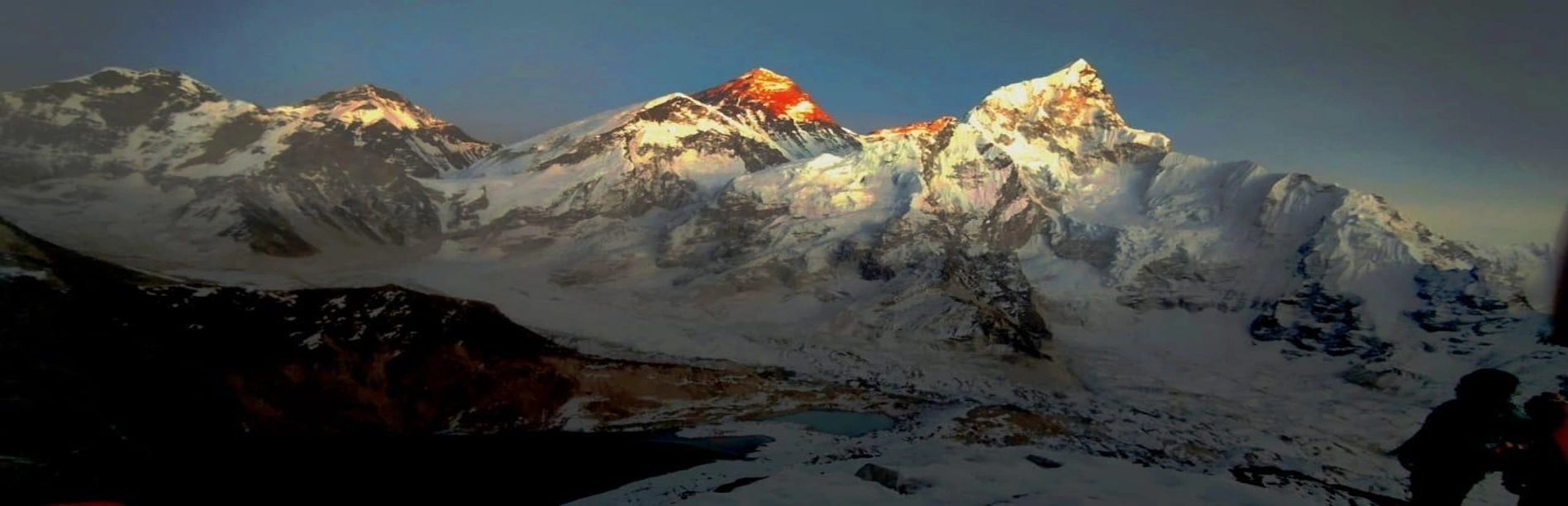
The Everest Base Camp hike is a bucket-list adventure for trekking enthusiasts worldwide. This trek, takes you to the foot of the highest mountain on earth Mt.Everest 8,848.86 meters (29,031.7 feet). Offering an unforgettable combination of cultural immersion, breathtaking landscapes, and physical challenge. The journey to Everest Base Camp, often referred to as EBC, is not just about reaching a destination, but also about experiencing the Sherpa culture, the rugged Himalayan environment, and the camaraderie formed with fellow trekkers along the way.
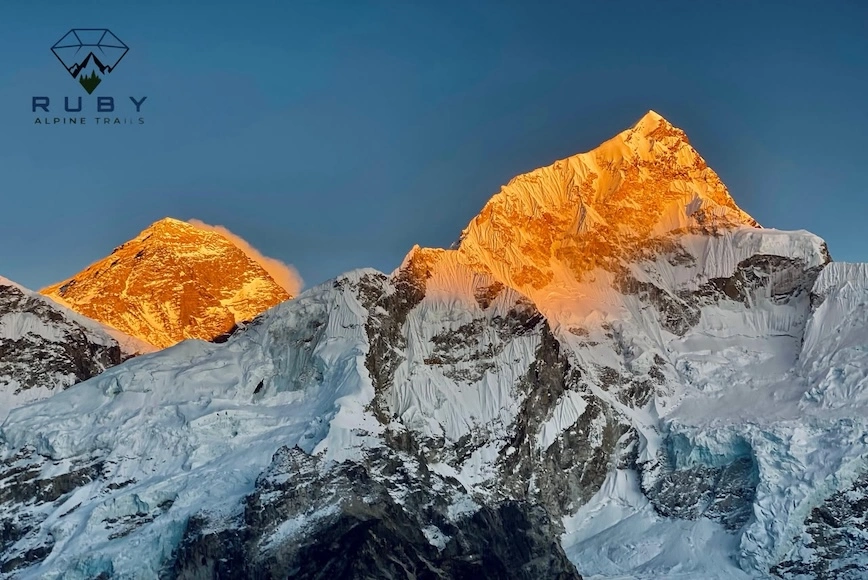
The EBC hike is ideal for adventure seekers and nature lovers alike. The sense of accomplishment from standing at the base of Mount Everest is incomparable, but the journey itself is full of memorable experiences. From the vibrant streets of Kathmandu, where the adventure begins, to the quiet, meditative moments in the shadow of towering peaks, every step offers a new perspective. Along the way, you will pass through Sherpa villages, visit monasteries, and gaze upon some of the world’s most iconic peaks, such as Ama Dablam 6,812 meters (22,349 feet) , Lhotse 8,516 meters (27,940 feet), and Nuptse 7,861 meters (25,791 feet).
The 12 days Everest Base Camp hike is also a test of endurance and perseverance. While the trail is well-marked and doesn’t require technical climbing skills. The high altitude and long trekking days can be physically demanding. Proper acclimatization and a steady pace are key to enjoying the journey and avoiding altitude sickness. The opportunity to witness the sunrise over Everest from Kala Patthar is the crowning moment of this adventure, providing an unparalleled view of the mighty mountain in all its glory. Everest region offers different destinations and durations, including the 12 days Everest Base Camp Hike, 15 days Everest Chola pass Trek, and the 17 days Three Passes trek, catering to various preferences and fitness levels.
The Everest Base Camp hike is a challenging yet rewarding adventure in the Himalayas. Here are some key challenges and preparation tips:
By addressing these challenges and preparing thoroughly, you can ensure a safe and memorable Everest Base Camp trek.
Trekking to EBC offers more than one path. Depending on your time, fitness, and interests, you can choose from several distinct itineraries—ranging from rapid ascents to immersive cultural circuits. Below are all the major Everest Base Camp itinerary variations, including short and long routes, with no overlap.
Choosing Ruby Alpine Trails team for 12 day Everest Base Camp hike ensures a seamless, safe, and enriching trekking experience. Here are some benefits of trekking with Us:
By choosing Nepal Wilderness Trek, you can begin on your Everest Base Camp hike with confidence, knowing you’re in the hands of experts who prioritize your safety, comfort, and overall experience.
The 12 days Everest Base Camp hike is more than just a trek. It’s a journey of self-discovery, a test of endurance, and a chance to walk in the footsteps of mountaineering legends. The combination of stunning scenery, cultural experiences. The physical challenge makes this trek one of the most rewarding adventures in the world. Whether you’re seeking to cross off a bucket-list item or simply yearning for an unforgettable experience in the Himalayas. The region is also famous for peak climbing such as lobuche, Pokalde and Island peak. The EBC hike with NWT promises memories that will last a lifetime.
Note: During the peak trekking seasons—April, May, October, and November—Lukla flights typically operate from Ramechhap Airport instead of Kathmandu. For treks in the Everest region, it’s highly recommended to plan for a few extra days in your itinerary to accommodate possible flight delays or cancellations due to unpredictable mountain weather.
Personalize your trek with optional upgrades, including extra hotel nights, helicopter flights, and other services for a more comfortable travel experience.
Stay an extra night in our comfortable 3-star hotel in Kathmandu, including breakfast.
Return directly from Gorak Shep to Kathmandu by helicopter and enjoy breathtaking aerial views while saving time.
Begin your adventure with a scenic helicopter flight from Kathmandu to Lukla, avoiding flight delays and enjoying spectacular Himalayan views.
Conclude your trek with a comfortable helicopter flight from Lukla to Kathmandu, offering a fast return and unforgettable mountain scenery.
8 nights of upgraded accommodation with attached bathrooms at teahouses in Phakding, Namche, Tengboche, Dingboche, and Lukla for added comfort during your trek.
[grw id=273]
Booking process
Personalizing your Everest Base Camp Hike is simple—follow these steps.
Choose your preferred departure date.
Indicate the number of travelers.
Click the "Book Now" button.
Select your preferred add-ons.
Complete the payment process.
Take an early morning scenic flight to Lukla, one of the world's most exciting mountain airports. After meeting the porter and completing final preparations, begin your trek through beautiful Sherpa villages, crossing suspension bridges over the Dudh Koshi River. Pass through Chheplung, Ghat, and Chhuthawa before reaching the peaceful village of Phakding for your first overnight stay in the mountains.

Highest Point
5,364 m
EBC
Lowest Point
1,290 m
Kathmandu
Departure Date
30 July, 2026
Trip Duration
12 Days
Price
USD $1,290
Status
Available
Travel Insurance is strongly advised for the trek, covering high-altitude trekking (above 5,000m), emergency evacuations, and medical expenses. Always verify with the insurer that the policy includes helicopter rescue, rather than relying solely on website details.
During peak seasons (April-May, October-November), flights to Lukla may depart from Ramechhap due to high traffic. Alternatively, you can hire a helicopter from Kathmandu for around USD 550 per person (shared by five passengers), saving time and avoiding delays. The 12-day Everest Base Camp trek begins with a weather-dependent flight to Lukla, where delays can occur even during peak season. To ensure flexibility and avoid missing your international flights, it's recommended to have an extra day in case of unforeseen delays due to rapidly changing weather conditions.
During the 12-day Everest Base Camp hike, you'll stay in carefully selected lodges that offer basic but comfortable facilities, including twin-sharing beds with warm blankets. Hot showers and charging points are available at most stops, though they may come with an additional fee. Early bookings are recommended during peak seasons for the best accommodations. Meals and accommodations in Kathmandu are not included, but the city offers a range of options for all budgets.
1 / 12
No. of Pax
The standard Everest Base Camp Trek itinerary is 12 days from Kathmandu, including acclimatization days. However, experienced trekkers can complete the trek in 10 days by skipping the planned acclimatization days, although this is generally not recommended if not familer with the high altitude due to the increased risk of altitude sickness.
It is moderately challenging due to high altitude, steep trails, and varying weather conditions.
The cost of a Ruby Alpine Trails package typically ranges from USD 1,390 per person, which includes permits, accommodation, meals, and guide services. The trip cost decreases with an increase in group size.
The round-trip distance for the Everest Base Camp Hike is approximately 80–90 miles (130–145 kilometers), depending on the specific route and side trips. The journey starts and ends in Lukla, passing through villages like Namche Bazaar, Dingboche, and Gorak Shep before reaching Base Camp.
The mortality rate for the Everest Base Camp Hike is very low, estimated at 0.03% (around 3 deaths per 10,000 trekkers). Risks are minimal compared to summiting Everest, but proper preparation, acclimatization, and caution are essential.