

Drive from your hotel to the domestic airport then mountain flight to Lukla, the gateway to the Everest region. During the peak trekking seasons (March–May and September–November), flights may operate from Manthali Airport, requiring an early morning drive from Kathmandu.
After landing, begin an easy downhill trek through traditional Sherpa villages, pine forests, and across suspension bridges over the Dudh Koshi River before reaching Phakding. The gentle walk allows your body to begin acclimatizing to the increasing altitude.

/ 3
Everest Three High Pass Trek 17 days
Start-End Location
KTM-KTM
Difficulty
Challenging
Grade: Easy
Suitable for beginners. Gentle walks and low altitudes.
Grade: Moderate
Requires basic fitness. Rolling terrain with steep climbs.
Grade: Strenuous
Demanding. High altitude trails and rough terrain.
Grade: Challenging
Very demanding. High passes and glacial walking.
Transportation
Flight to & from Lukla
Max. Altitude
5,535 m
Trip Duration
17 Days
Meals
Breakfast,Lunch & Dinner
Accommodation
Tea House
Highlights of the Trek
-
Three High Mountain Passes: Cross the three spectacular passes of the Everest region — Kongma La Pass (5,535m), Cho La Pass (5,420m), and Renjo La Pass (5,360m), making this one of Nepal’s most adventurous trekking routes.
-
Everest Base Camp: Reach the legendary Everest Base Camp (5,364m) and experience the incredible atmosphere beneath the world's highest mountain.
-
Kala Patthar Sunrise View: Enjoy breathtaking sunrise views from Kala Patthar (5,545m), one of the best viewpoints for Mount Everest, Lhotse, Nuptse, and surrounding Himalayan peaks.
-
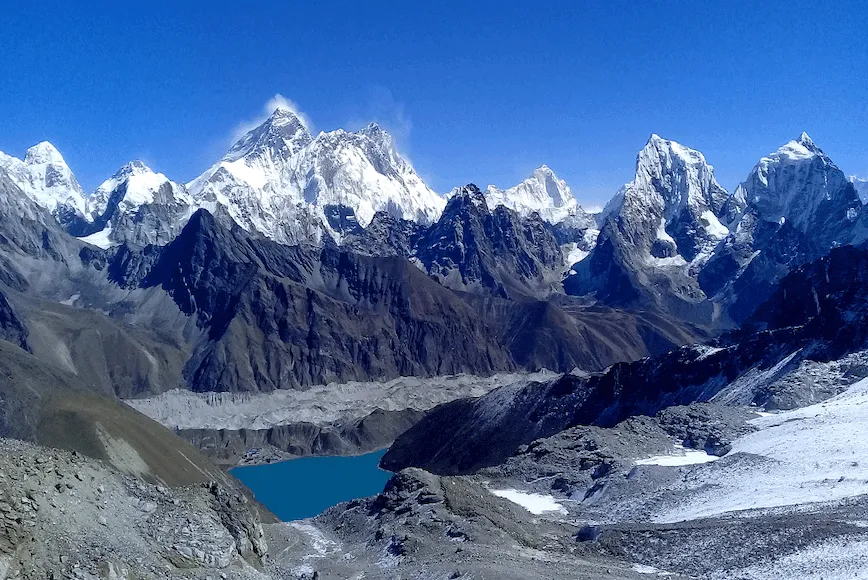
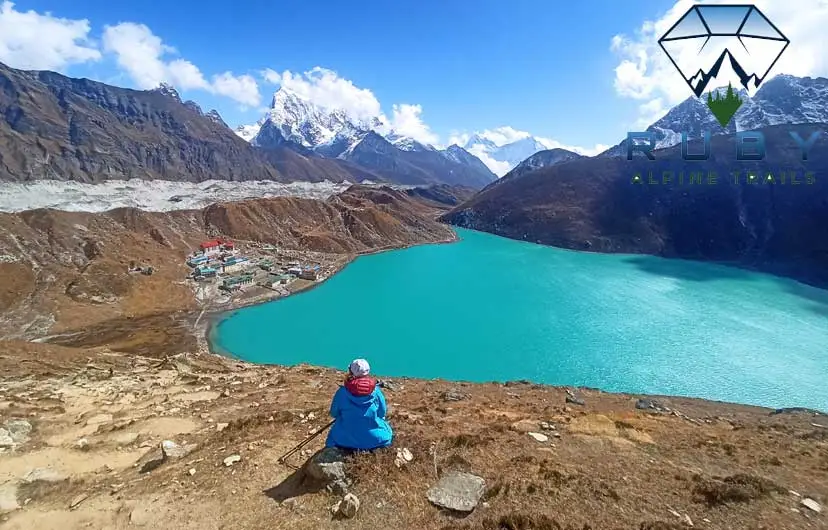
Gokyo Lakes and Gokyo Ri: Explore the beautiful turquoise glacial lakes of Gokyo Valley and hike to Gokyo Ri (5,357m) for spectacular panoramic views of Everest, Cho Oyu, Makalu, and other peaks.
-
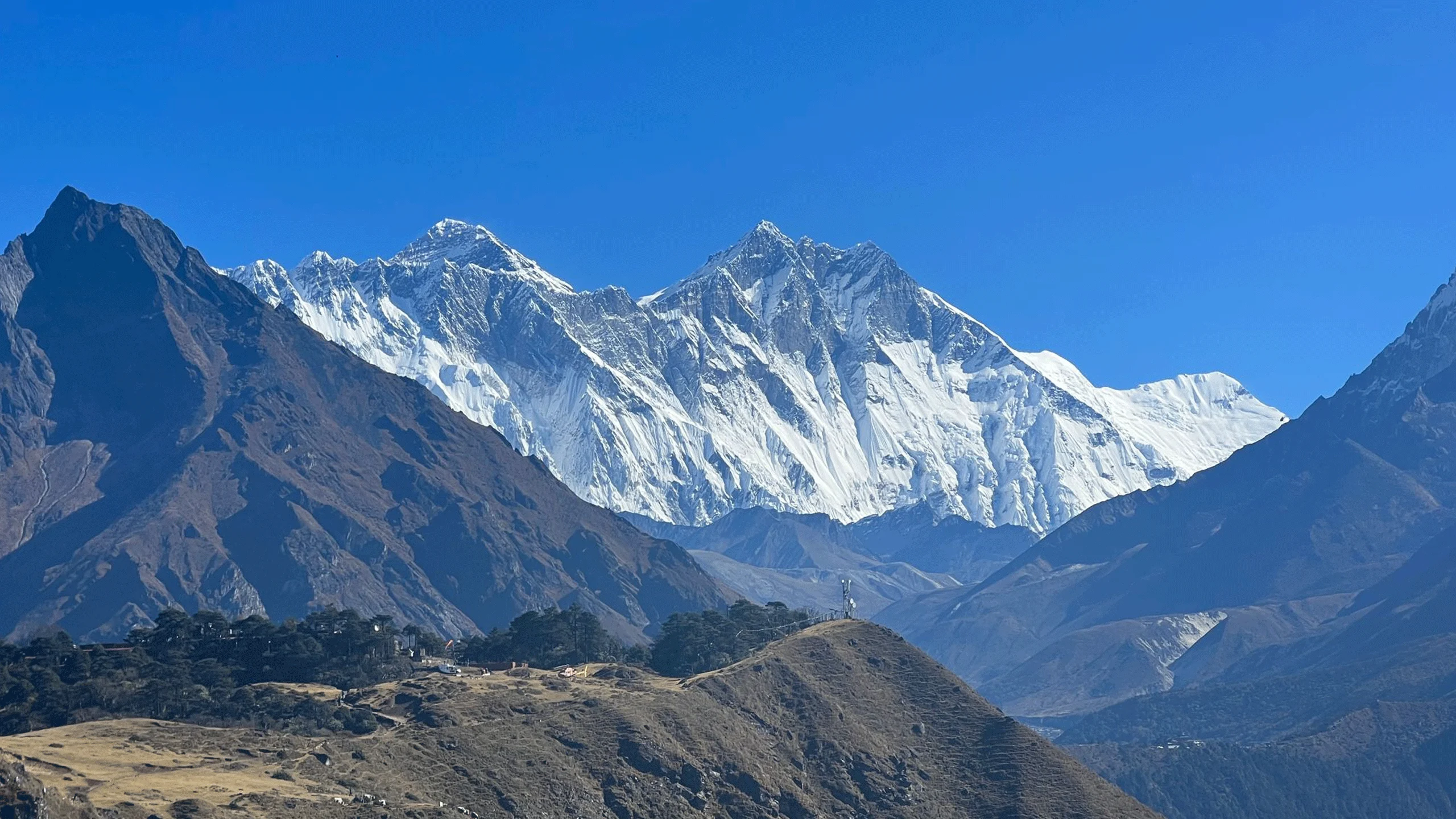
Spectacular Himalayan Views: Witness some of the world’s highest mountains, including Mount Everest, Lhotse, Makalu, Cho Oyu, Ama Dablam, and Nuptse.
-
Sherpa Culture and Heritage: Experience the unique lifestyle, traditions, monasteries, and warm hospitality of Sherpa communities in Namche Bazaar, Tengboche, Dingboche, and remote mountain villages.
-
Remote Himalayan Landscapes: Trek through peaceful valleys, glaciers, rocky trails, and less crowded routes while experiencing the true wilderness of the Khumbu region.
-
Tengboche Monastery: Visit the famous Tengboche Monastery, a spiritual centre surrounded by incredible Himalayan scenery.
-
Scenic Flight to Lukla: Begin and end your adventure with a thrilling mountain flight between Kathmandu and Lukla, offering stunning aerial views of the Himalayas.
Overview
The Everest Three High Pass Trek 17 Days is one of the most challenging and rewarding trekking adventures in Nepal. This incredible circuit takes you beyond the traditional Everest Base Camp route, crossing three high mountain passes — Kongma La (5,535m), Cho La (5,420m), and Renjo La (5,360m).
The trek combines the best attractions of the Everest region, including Everest Base Camp, Kala Patthar, Gokyo Lakes, and Gokyo Ri, while passing through remote valleys, glaciers, traditional Sherpa villages, and breathtaking Himalayan landscapes.
Unlike the standard Everest Base Camp Trek, this route offers a more adventurous experience with fewer crowds, challenging high-altitude crossings, and unforgettable views of the world’s highest peaks.
With proper acclimatization, good physical preparation, and the support of experienced guides, the Everest Three High Pass Trek provides a once-in-a-lifetime Himalayan adventure.
What Makes the Everest Three High Pass TrekTrek Unique?
The Everest Three High Pass Trek is unique because it offers the complete Everest region experience in one challenging journey. Instead of following only the classic Everest Base Camp route, trekkers explore hidden valleys, cross three dramatic mountain passes, visit ancient monasteries, and experience the authentic Sherpa culture.
The combination of high-altitude adventure, breathtaking scenery, and remote Himalayan landscapes makes this trek one of the ultimate trekking experiences in Nepal.
Trek Difficulty
The Everest Three High Pass Trek is considered one of the most demanding trekking routes in Nepal. The trail involves long walking days, steep climbs, glacier crossings, and three passes above 5,000 metres.
Previous high-altitude trekking experience is recommended. Trekkers should have good physical fitness, endurance, and mental preparation to complete this challenging Himalayan adventure.
Best Season for Everest Three High Pass Trek
The best seasons for the Everest Three High Pass Trek are spring (March to May) and autumn (September to November).
During these months, the weather is stable, skies are clear, and mountain views are at their best. Winter trekking is possible but more challenging due to heavy snowfall and freezing temperatures, while the monsoon season brings rain and slippery trails.
Preparation for Everest Three High Pass Trek
Due to the challenging nature of this trek, proper preparation is essential.
- Improve physical fitness with regular hiking, cardio, and strength training.
- Prepare for long walking days at high altitude.
- Carry proper trekking equipment and warm clothing.
- Allow enough time for acclimatization.
- Be prepared for changing Himalayan weather conditions.
- Follow the guidance of experienced trekking guides.
Why Choose Everest Three High Pass Trek?
- Experience three of the highest trekking passes in Nepal.
- Explore Everest Base Camp and Kala Patthar.
- Visit the stunning Gokyo Valley and Gokyo Ri.
- Enjoy breathtaking views of the world’s highest mountains.
- Experience authentic Sherpa culture and Himalayan traditions.
- Trek through remote and less crowded mountain trails.
- Challenge yourself with one of Nepal’s most rewarding adventures.
Trek with Ruby Alpine Trails
Choosing Ruby Alpine Trails for your Everest Three High Pass Trek ensures a safe, comfortable, and memorable Himalayan experience.
Our experienced local guides have extensive knowledge of the Everest region and understand the challenges of high-altitude trekking. We carefully design itineraries with proper acclimatization, safety measures, and personalised service.
We provide experienced guides and porters, quality accommodation arrangements, permit assistance, and reliable support throughout your journey. Our commitment is to deliver an authentic trekking experience while supporting local communities and responsible tourism.
Start Your Adventure
The Everest Three High Pass Trek is the ultimate Himalayan adventure for trekkers seeking a challenging and unforgettable experience beyond the classic Everest Base Camp route. Crossing three spectacular high passes — Kongma La, Cho La, and Renjo La — while exploring Everest Base Camp, Gokyo Lakes, Gokyo Ri, and remote Sherpa villages, this trek offers an incredible combination of adventure, culture, and breathtaking mountain scenery.
With proper preparation and the support of our experienced local guides, you can safely explore the remote beauty of the Khumbu region and create lifelong memories in the heart of the Himalayas. If you are ready to challenge yourself and experience one of Nepal’s most rewarding trekking adventures, the Everest Three High Pass Trek with Ruby Alpine Trails is the perfect choice.
Included
-
Domestic flights and drive from Manthali to Lukla and return.Flights to Lukla typically operate from Ramechhap during the peak trekking seasons, which run from April to May and October to November.
-
Three meals daily (Italian, Chinese, Nepali, Indian, European options)
-
Accommodation in tea houses as per the itinerary
-
Kitbag and sleeping bag (for temperatures down to -25°C)
-
Everest National Park and Khumbu Pasang Lhamu Rural Municipality permits
-
Government-licensed, experienced English-speaking trekking guide
-
One porter per 2–3 participants
-
Meals, accommodation, salary, and insurance for guide and porter.
-
Necessary paperwork, taxes, and government fees.
-
Certificate of appreciation upon completing the trek.
Excluded
-
International airfare and Nepal entry visa fees.
-
Accommodation and meals in Kathmandu before and after the trek.
-
Personal gear for extreme temperatures.
-
Emergency evacuation (covered by travel insurance).
-
Beverages (soft drinks, alcohol, tea/coffee), water, desserts, hot showers, and laundry.
-
Tips for guide and porter.
-
Any costs not listed under "cost included," including delays due to weather, landslides, illness, or other unforeseen events.
Itinerary
Availability
No upcoming departures are currently scheduled. Please contact us to arrange a custom date.
Essential Trip Information
Essential Trip Information
-
Accommodations
During the 17-day trek, you'll stay in carefully selected lodges providing the best comfort in the Everest region. Enjoy a variety of teahouses and lodges offering basic but comfortable facilities throughout the trek. Rooms typically feature twin-sharing beds with warm blankets. Hot showers and charging points are available at most stops, though they come with an additional fee in higher altitude. To secure the best accommodations, early bookings during peak seasons are recommended.
-
Internet Services
Most teahouses along the Everest region offer Wi-Fi, with Everest Link prepaid internet cards available for purchase. While the connection is generally suitable for basic communication, it can be slow and unreliable at higher altitudes. Buying an NTC (Nepal Telecom) SIM card before your trek is another good option, as it provides mobile data coverage in many parts of the Everest region. However, keep in mind that even NTC service does not work in some remote areas and high mountain passes, so occasional loss of signal is normal.
-
Food on the Everest three high passes trek
Meals on the Everest Three High Passes Trek are simple, nutritious, and designed to provide the energy needed for long trekking days. Breakfast usually includes porridge, eggs, Tibetan bread, pancakes, or toast with tea or coffee. Lunch and dinner commonly feature Dal Bhat, fried rice, noodles, momos, soups, and other hearty local dishes. Snacks such as boiled potatoes, chapati, chocolates, and energy bars are available at most teahouses. Hot drinks like tea, coffee, and hot lemon with ginger and honey are widely served, while boiled or filtered drinking water is available. At higher altitudes, vegetarian meals are recommended as they are generally fresher and easier to digest. Staying well hydrated and carrying a few extra energy snacks will help you stay comfortable throughout the trek.
Packing Essentials
Packing Essentials
-
Clothing
- Quick-dry trekking shirts: 4–5
- Thermal base layer (top & bottom): 2-3sets
- Fleece jacket: 1
- Down jacket: 1 (provided if required)
- Waterproof shell jacket: 1
- Waterproof pants: 1
- Trekking pants: 2-4
- Warm fleece pants (optional): 1
- Underwear: 6–8 pairs
- Sports socks: 5–6 pairs
- Heavy wool socks: 2–3 pairs
- Light gloves: 1-2 pair
- Insulated waterproof gloves: 1 pair
- Sun hat: 1
- Warm beanie: 1
- Buff/neck gaiter: 1–2
-
Footwear
- Waterproof Trekking Boots: 1 pair (well broken-in)
- Camp Shoes or Sandals: 1 pair
- Gaiters : 1 pair
- Trekking Socks: 4–5 pairs
- Warm Wool Socks: 2-4 pairs
-
Backpack & Bags
- Day Backpack (30–40L): 1
- Duffel Bag: 1 (provided if using our porter service)
- Rain Cover: 1
-
Trekking Gear
- Trekking Poles: 1 pair
- Headlamp: 1 (plus spare batteries)
- Sleeping Bag (-25°C): (Provided if you don't have your own)
- Micro Crampons: (Provided when required for icy trail conditions)
- Water Bottles or Hydration Bladder: 2 litres total capacity
- Water Purification Tablets or Filter
- Thermal Flask (Optional): 1
-
Personal Items
- Sunscreen (SPF 50+)
- SPF Lip Balm
- Toothbrush & Toothpaste
- Biodegradable Soap
- Quick-dry Towel
- Wet Wipes & Hand Sanitiser
- Personal Medications
- Basic First Aid Kit
- Passport & Passport Copy
- Travel Insurance
- Cash (Nepalese Rupees)
-
Electronics
- Camera or Smartphone
- Power Bank (10,000–20,000 mAh)
- Charging Cable & Nepal Plug Adapter
- Spare Camera Batteries (Optional)
-
Snacks
- Energy Bars (6–10)
- Chocolates
- Mixed Nuts & Dried Fruits
- Electrolyte Powder (4–6 sachets)
Frequently Asked Questions
The Three Passes Trek is considered a challenging trek, suitable for experienced trekkers with good physical fitness and previous high-altitude trekking experience. It involves long days of hiking, steep ascents and descents, and the need to cross high mountain passes, above 5,000 meters (16,404 feet). Altitude sickness is a concern, so proper acclimatization is crucial.
The Three Passes Trek typically takes about 17 to 19 days, depending on the pace, weather, and time spent at each location for acclimatization. This includes rest days to help adjust to the altitude and to explore key areas like Gokyo Lakes and Everest Base Camp.
The Three Passes Trek is a high-altitude trek in the Everest region of Nepal that crosses three major mountain passes: Kongma La (5,535 meters / 18,159 feet) Cho La (5,420 meters / 17,782 feet) Renjo La (5,388 meters / 17,677 feet) This trek offers stunning views of Mount Everest, Lhotse, Makalu, Cho Oyu, and other peaks, while passing through remote Sherpa villages and serene lakes like Gokyo Lakes.
The highest point of the Three Passes Trek is Kongma La at 5,535 meters (18,159 feet), but trekkers will cross other high passes and reach altitudes above 5,000 meters (16,404 feet) multiple times, making it a physically demanding trek that requires proper acclimatization to avoid altitude sickness.
No. of Pax
Price per
Pax
1 Pax
USD $1,650
2 Pax
USD $1,550
3–4 Pax
USD $1,530
5–6 Pax
USD $1,510
see more…
No. of Pax
1
Price per person
—
No. of travelers
1
Total Price
—
Clients Review

Prem Tamang
1 month ago

Haowen C
2 months ago
Extremely great experience with yakub! 3rd time with him in nepal, doing ABC, Lang Tang (Yala Peak) and Manaslu Circuit. Highly recommend!
Amol Tamang
2 months ago

Jonathan Then
2 months ago
Had the best experience during our Manaslu Circuit Trek in early April 2026 with the most experience guide Yakub!

Jacob Koh
2 months ago
Yakub is the best guide u will get in Nepal. I trust my life with him. He brings the best crew u can get and the crew makes so much difference to ur hike!!!

Ber
2 months ago
Amazing experience with Yakub and his team! Did a couple of hikes with him, including Manaslu Circuit and Langtang valley! Highly recommend

Evan Dutton
2 months ago
I completed the Manaslu Circuit Trek in 2019 with Yakub Ghale, whom I met through a different trekking company at that time. It was truly an unforgettable experience in Nepal. Huge thanks to Yakub for his excellent guidance, deep local knowledge, and constant support throughout the journey. He was professional, friendly, and always focused on our safety and comfort.
Recently, I saw his company, Ruby Alpine Trails, shared on social media, and I couldn’t stop myself from writing this review. After experiencing his guiding service personally, I can confidently say he has now built a strong and trustworthy trekking company.
I highly recommend Ruby Alpine Trails to anyone planning to visit or trek in Nepal. With his passion, expertise, and dedication, I am sure he and his team will organize an exceptional and memorable journey for every traveler.
Thank you, Yakub, for making this adventure so special!
Recently, I saw his company, Ruby Alpine Trails, shared on social media, and I couldn’t stop myself from writing this review. After experiencing his guiding service personally, I can confidently say he has now built a strong and trustworthy trekking company.
I highly recommend Ruby Alpine Trails to anyone planning to visit or trek in Nepal. With his passion, expertise, and dedication, I am sure he and his team will organize an exceptional and memorable journey for every traveler.
Thank you, Yakub, for making this adventure so special!
Similar Trips
Ama Dablam Base Camp Trek 8 Days
Contact for Price
8 Days
12 Days Everest Base Camp Hike
USD $1,290
12 Days
Everest Chola Pass Trek
Contact for Price
15 Days

Pikey Peak Trek 6 Days
Contact for Price
6 Days

Gokyo Ri Hike
Contact for Price
11 Days

Rapid Everest Base Camp Trek 10 Days
Contact for Price
10 Days

Everest Base Camp Trek with Island Peak Climbing
Contact for Price
16 Days

Everest Panorama View Trek 7 days
Contact for Price
7 Days